Salary structure is one of the few HR decisions made once, at hiring, that keeps producing consequences for as long as the employee stays. The basic-to-CTC ratio you set on day one determines their provident fund, their gratuity accrual, their overtime rate and their leave encashment value — every one of those is a formula that reads off basic pay, not gross. Get the structure wrong and every downstream number is quietly wrong with it.
What actually belongs in CTC
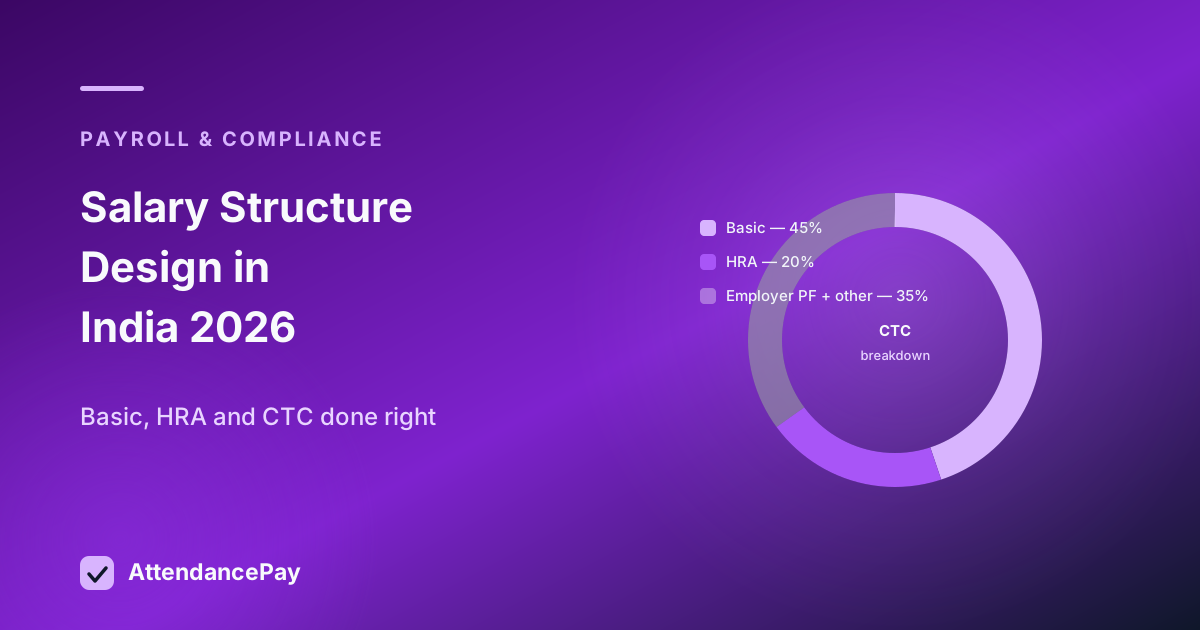
Cost to Company is the full annual cost of employing someone, and it is larger than gross salary because it includes items the employee never sees as cash:
- Fixed components — basic pay, HRA, and other regular allowances, which together make gross salary.
- Employer statutory contributions — employer PF, employer ESI where applicable, and any employer-side welfare fund contributions.
- Provisions — gratuity provision (accrued but not paid until eligibility), and any other retiral benefit the company funds.
- Variable and benefit components — performance bonus, and non-cash benefits like insurance premiums the company pays on the employee's behalf.
A CTC figure that is only "basic + HRA + bonus" is understating the real cost, and a CTC figure that inflates allowances to look generous while shrinking the statutory base is the more serious problem — covered next.
The basic-pay floor, and why it is not optional anymore
Historically, some companies structured salaries with a low basic and large "special allowance" specifically to shrink the PF and gratuity base, since both are calculated on basic (plus DA). The Code on Wages closes this by defining "wages" so that excluded allowances cannot exceed a set share of total remuneration — in effect, basic (plus allowances that must be included) has to be at least half of total pay. A structure built on the old assumption is a compliance liability now, not a savings.
Practically: decide basic as a genuine proportion of CTC — commonly 40-50% — as policy, and hold that ratio consistently across the company rather than negotiating it per hire. A basic pay that varies in proportion by seniority or by how well someone negotiated is a structure nobody can defend at audit.
HRA: real, but conditional
House Rent Allowance is a legitimate and common component, and it is partly tax-exempt for the employee — but only to the extent they can substantiate actual rent paid. Structuring a large HRA for an employee who owns their home, or who cannot produce rent receipts, converts a tax benefit on paper into a liability the employee discovers only at tax filing. HRA should reflect a realistic assumption about the workforce, not simply the maximum the formula allows.
Special allowance: the balancing figure, not the dumping ground
Most structures include a residual "special allowance" that absorbs whatever is left after basic, HRA and other named components are set. That is a reasonable design — but it stops being reasonable the moment special allowance grows so large, relative to basic, that it functions as a way to avoid the wage-code floor described above. If special allowance is consistently 2-3x basic, the structure needs re-examining, not defending.
The mistakes that surface later, not immediately
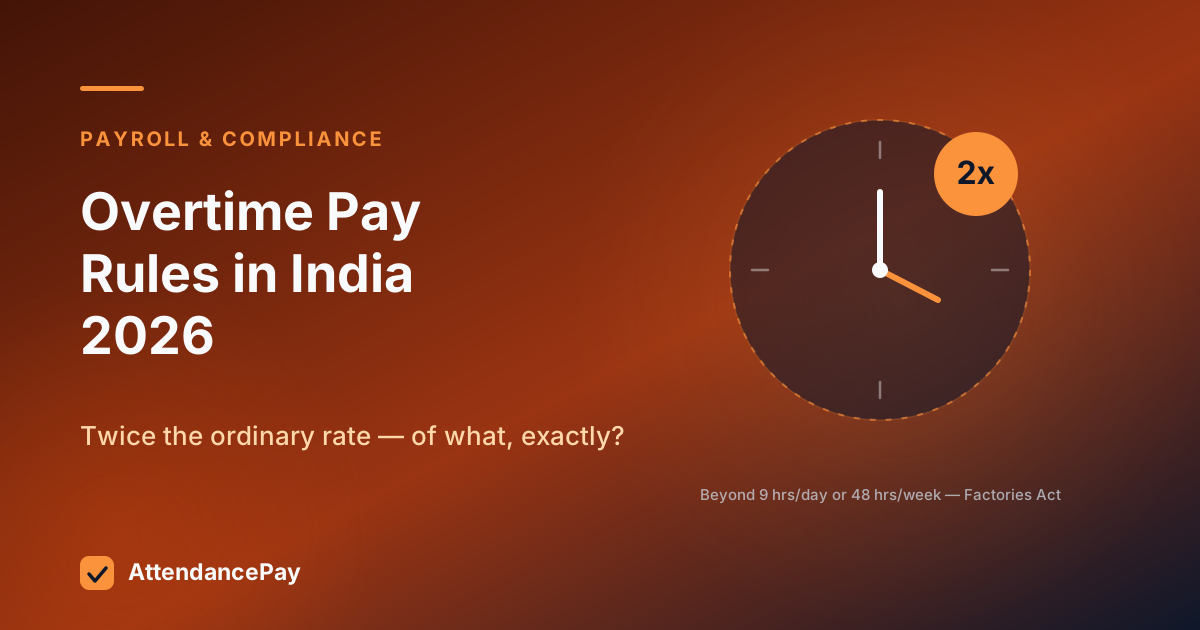
- Overtime paid on an understated basic. Since overtime's "ordinary rate" traces back to basic-plus-regular-allowances, a low basic quietly underpays every overtime hour. See overtime pay rules in India.
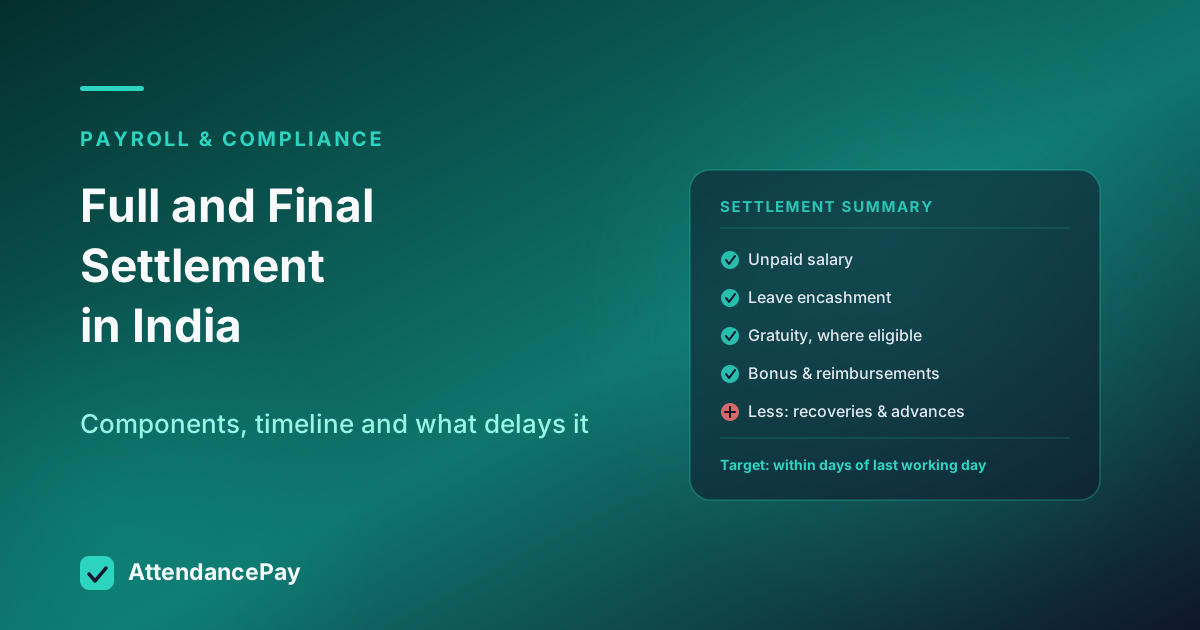
- Gratuity and leave encashment understated at exit. Both are calculated on basic. A structure that looked efficient for years produces a visibly wrong number the day someone leaves — see full and final settlement in India.
- Inconsistent structures across similar roles. Different basic ratios for employees doing the same job, set at different hiring moments, is not customization — it is an audit finding waiting to happen.
Getting it right from the first offer
The fix is upstream, not remedial: define the structure once, as policy — basic ratio, which allowances exist, how CTC breaks down — and apply it consistently to every hire rather than improvising per offer letter. AttendancePay's salary structure management is built around exactly this: defined, reusable templates rather than one-off structures per employee, so the basic-pay floor and the CTC math are correct by construction rather than checked after the fact. You can sanity-check any structure's breakdown with the free CTC calculator.